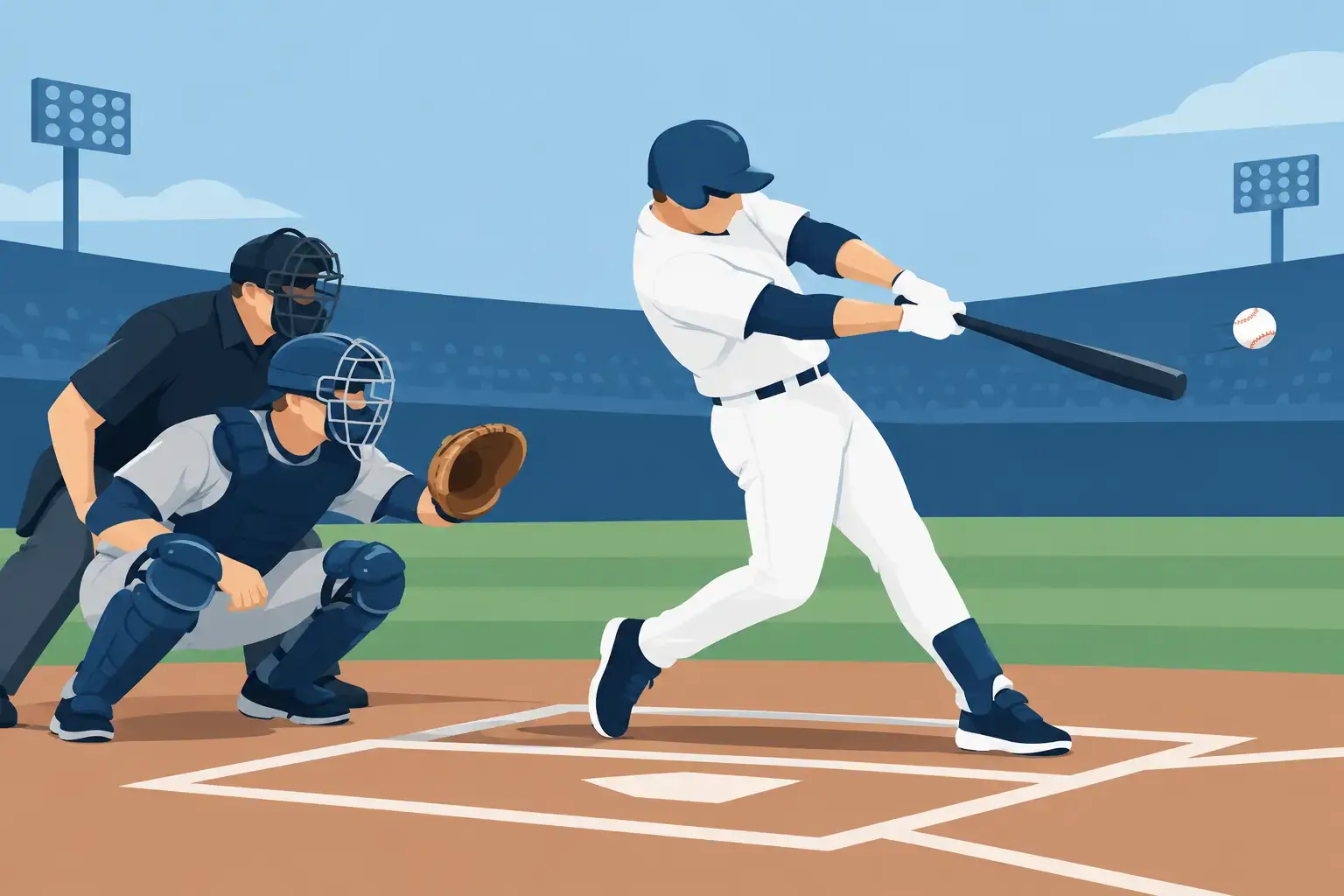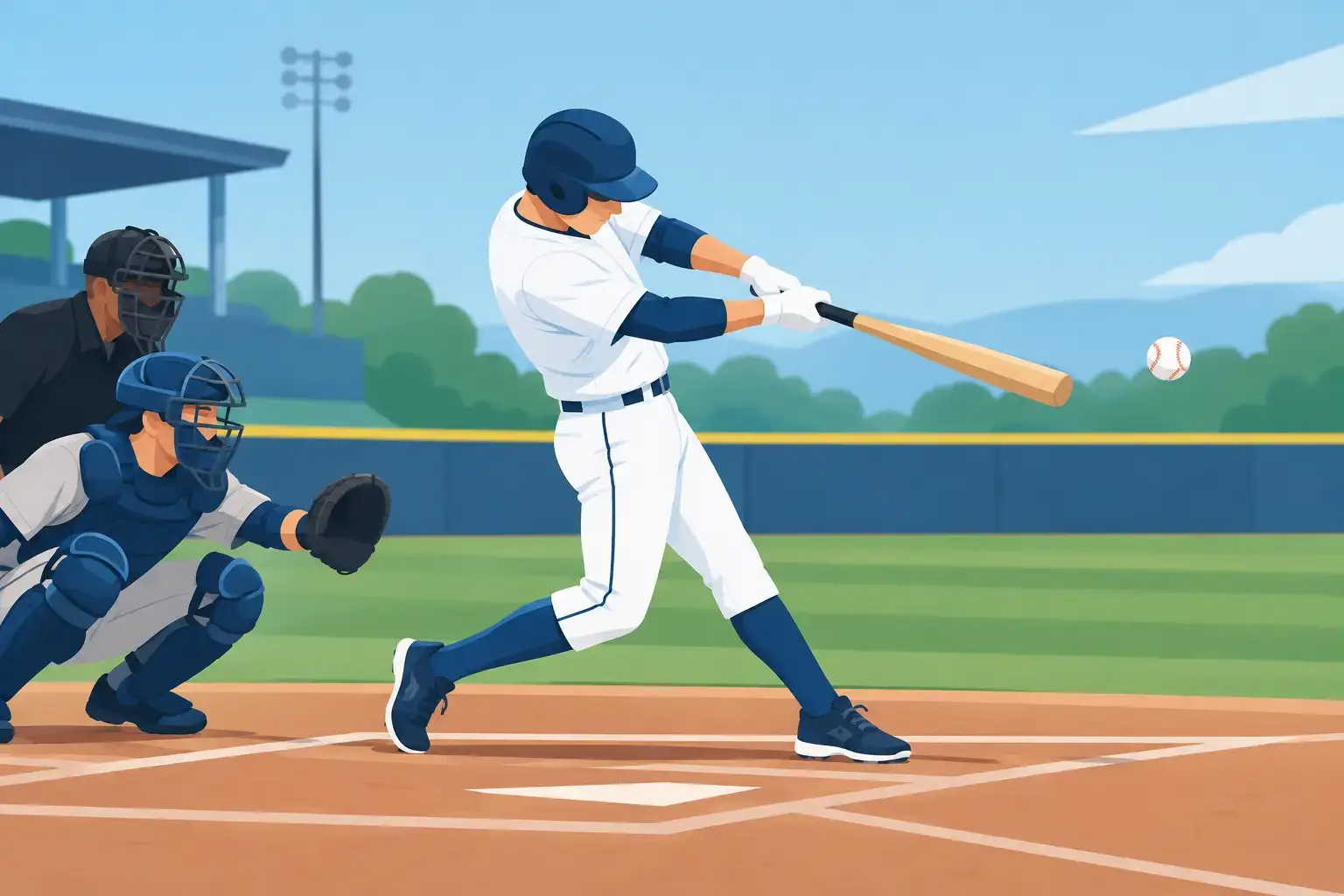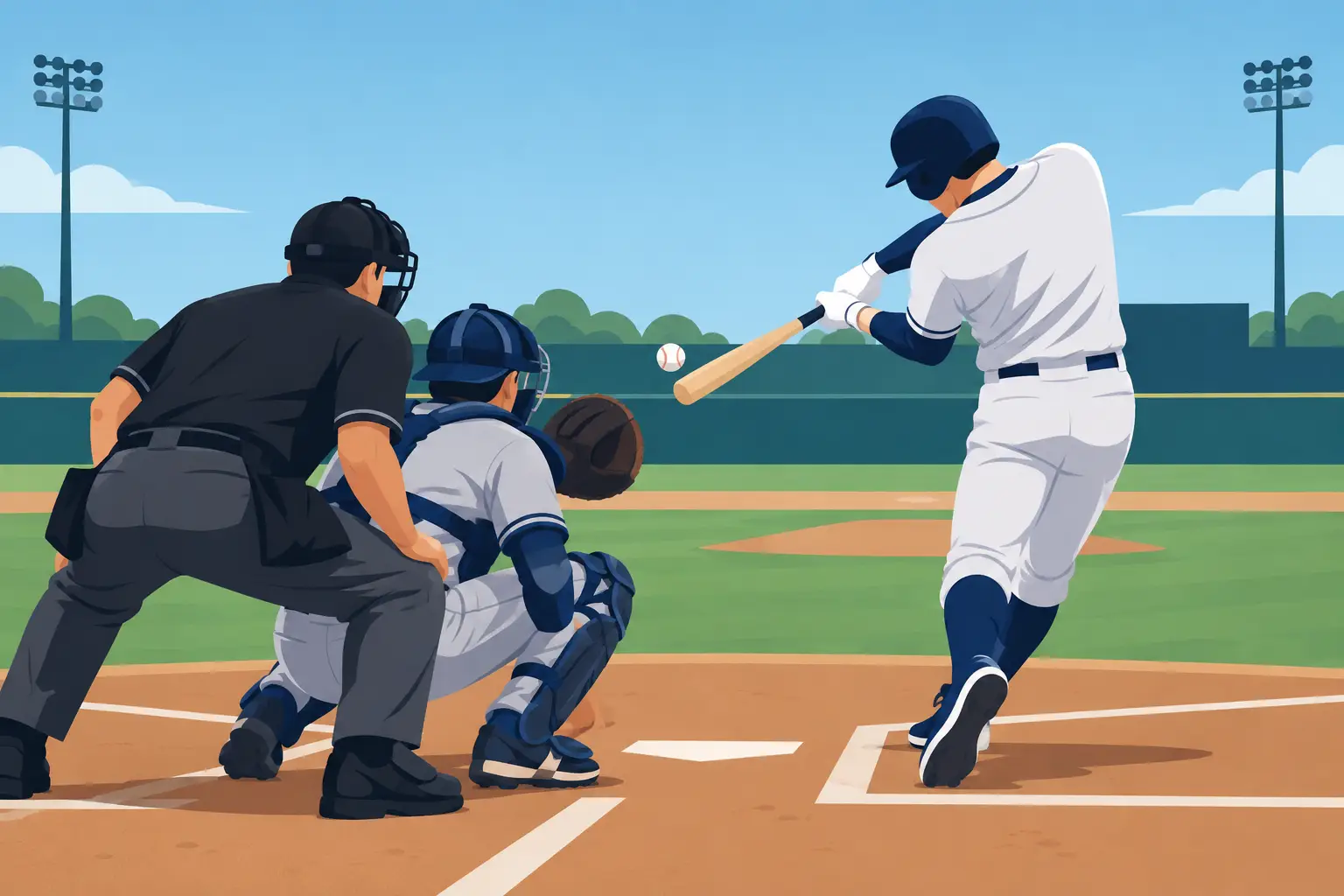
A hard ground ball skips over third base, rolls into foul territory, and everyone starts yelling “foul.” Not so fast. To know how to interpret foul balls correctly, you have to watch where the ball is when it is first touched or when it settles – not simply where it was hit or where it rolls later.
That distinction is why foul-ball calls create so much confusion at youth fields, high school games, and even on TV broadcasts. The good news is that the basic rule has a clear logic. Once you learn what umpires are looking for, many of the arguments disappear.
Start With Fair Territory and Foul Territory
First, the foul lines are part of fair territory. That includes the chalk line from home plate to first base and the line from home plate to third base. A ball touching either line is fair, even if most of the ball appears to be on the foul side.
Fair territory also includes home plate, first base, and third base. Foul territory is the area outside those lines. The location of the ball at a key moment determines the call.
For a batted ball that stays on the ground, ask this question: where was the ball when it was first touched by a fielder, or where was it when it stopped? If the ball is in fair territory at either of those moments, it is fair. If it is in foul territory, it is foul.
A ball can start fair and become foul, or start foul and roll fair. Until it is touched or settles, the play is still developing.
How to Interpret Foul Balls on Ground Balls
The easiest way to understand a rolling batted ball is to separate three common situations.
A ball crosses a base in fair territory
If a ground ball passes first or third base while it is fair, it is a fair ball. It stays fair even if it later curves into foul territory. For example, a ball rolls just inside the first-base line, passes the bag, then spins into right-field foul territory. The ball is fair because it passed first base on the fair side.
The same principle applies when a ball hits the first-base or third-base bag. Those bases are in fair territory, so a batted ball that strikes either bag is fair.
A ball stops before reaching first or third base
If the ball stops before first or third base, its final position controls. A ball that comes to rest on the foul side is foul. A ball that stops touching the line or resting on the fair side is fair.
This is the play that often causes the most trouble for parents and new players. A slowly rolling ball may travel through fair territory for several feet but still be ruled foul if it comes to rest in foul territory before reaching the base.
A fielder touches the ball before it settles
When a fielder touches a ground ball before it has passed first or third base, the ball’s location at the instant of contact controls. The fielder’s feet do not determine the call. The ball does.
A third baseman may be standing in foul territory while reaching for a ball that is still over fair territory. If the ball is touched while it is fair, it is a fair ball. Conversely, a fielder standing in fair territory can touch a ball that is over foul territory, making it a foul ball.
That is why umpires focus so closely on the ball, not on the player’s position.
Fly Balls Follow a Different Test
A batted ball in the air is judged by where it is first touched, not where it lands. If a fly ball is first touched over fair territory, it is fair. If it is first touched over foul territory, it is foul.
Again, the fielder’s location is not the deciding factor. A left fielder can leap from fair territory and catch a ball over foul ground. That is a foul fly ball because the ball was first touched in foul territory.
If the fielder catches it, the batter is out. The fact that it was a foul ball does not erase the catch. A legally caught foul fly is an out, just like a legally caught fair fly.
If the fielder drops the ball in foul territory, it is simply a foul ball. The batter remains at bat, usually with an added strike unless the batter already has two strikes.
A Foul Ball Is Usually Dead, but a Foul Catch Is Not
This is a practical distinction for runners, coaches, and developing umpires. An uncaught foul ball is dead immediately. The ball is out of play, runners return to the bases they occupied at the time of the pitch, and play resets.
A caught foul fly is different. The batter is out, and the ball remains live after the catch. Runners may try to advance, but they must tag up if they were off their base when the ball was first touched.
For example, with a runner on second base, the batter hits a foul pop-up near the third-base dugout. If the third baseman catches it, the runner can tag second and try for third after the catch. If the runner left second too early and does not retouch it, the defense can appeal for an out.
The same tag-up concept applies to fair fly balls. The foul or fair label tells you where the ball was caught. It does not change the runner’s responsibility after a legal catch.
Know the Difference Between a Foul Ball and a Foul Tip
People often use these terms interchangeably, but they are not the same play.
A foul ball is a batted ball that goes into foul territory and is not legally caught. It is dead. With fewer than two strikes, it counts as a strike. With two strikes, it normally does not create a third strike.
A foul tip is a batted ball that goes sharply and directly from the bat to the catcher’s hand or mitt and is legally caught. It is a live ball and always counts as a strike.
That difference matters most with two strikes. A foul tip caught by the catcher for strike three retires the batter. Because the ball stays live, runners can also be put out if they are stealing and the catcher throws them out.
If the ball merely brushes the bat, pops high into the air, and the catcher catches it, that is not a foul tip. It is a foul fly ball. The batter is out on the catch, and runners must tag up before advancing.
Two Strikes Change Some Foul-Ball Outcomes
Most foul balls add a strike only when the batter has fewer than two strikes. Once the count reaches two strikes, a routine foul ball keeps the count at two strikes. The batter gets another chance.
There is one major exception: a foul bunt with two strikes is strike three, and the batter is out. A bunt is treated differently because a batter is intentionally attempting to deaden the ball rather than taking a full swing.
This is why coaches teach hitters not to try to bunt every close two-strike pitch. If the bunt rolls foul, there is no extra opportunity. The at-bat is over.
Also remember that a foul tip is not protected by the usual two-strike foul-ball rule. If the catcher legally catches the tip, it is a strike no matter the count.
Watch for Equipment, People, and Field Conditions
A batted ball that hits an umpire or a player before being touched can still be judged fair or foul based on its location at contact. If it touches a person in fair territory before passing first or third base, it is fair. If it touches a person in foul territory, it is foul.
Local field conditions can complicate the visual side of the call. Faint chalk, uneven grass, portable fences, and crowded dugout areas make close plays harder to see. But they do not change the basic standard: the ball’s position when it is touched, when it passes a base, or when it settles is what matters.
At lower levels, local rules may address safety issues around fences, dugouts, or dead-ball areas. Those rules can affect whether a fielder may make a catch or what happens after the ball enters a restricted area. They should not be confused with the definition of fair and foul.
A Simple Way to Read the Play
When a close ball is hit, avoid deciding too early. Track it until one of three things happens: it passes first or third base, a fielder first touches it, or it stops. Then identify whether the ball was fair or foul at that exact moment.
For balls in the air, focus on the first touch. For balls that are caught, immediately shift your attention to the runners and whether they properly tag up. For two-strike plays, listen and watch for the difference between a regular foul, a foul bunt, and a caught foul tip.
Baseball rules become far less intimidating when you learn to identify the one fact that controls the call. Baseball Rules in Black and White teaches that same practical approach: remove the noise, find the rule that matters, and apply it to the play in front of you.
The next time a ball hugs the line, let it keep rolling for a moment. The answer is often already there – waiting for the ball to be touched, pass the bag, or come to rest.