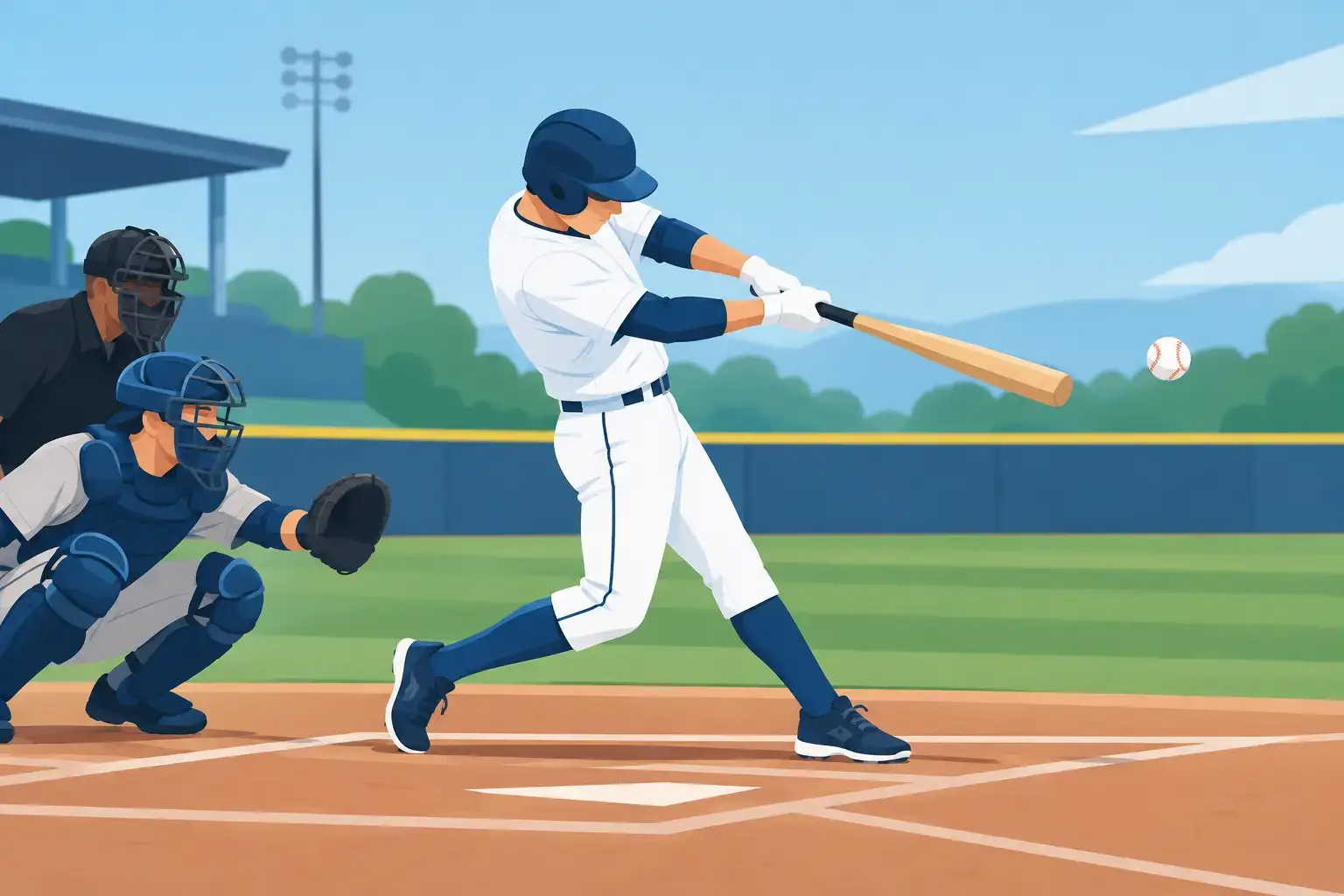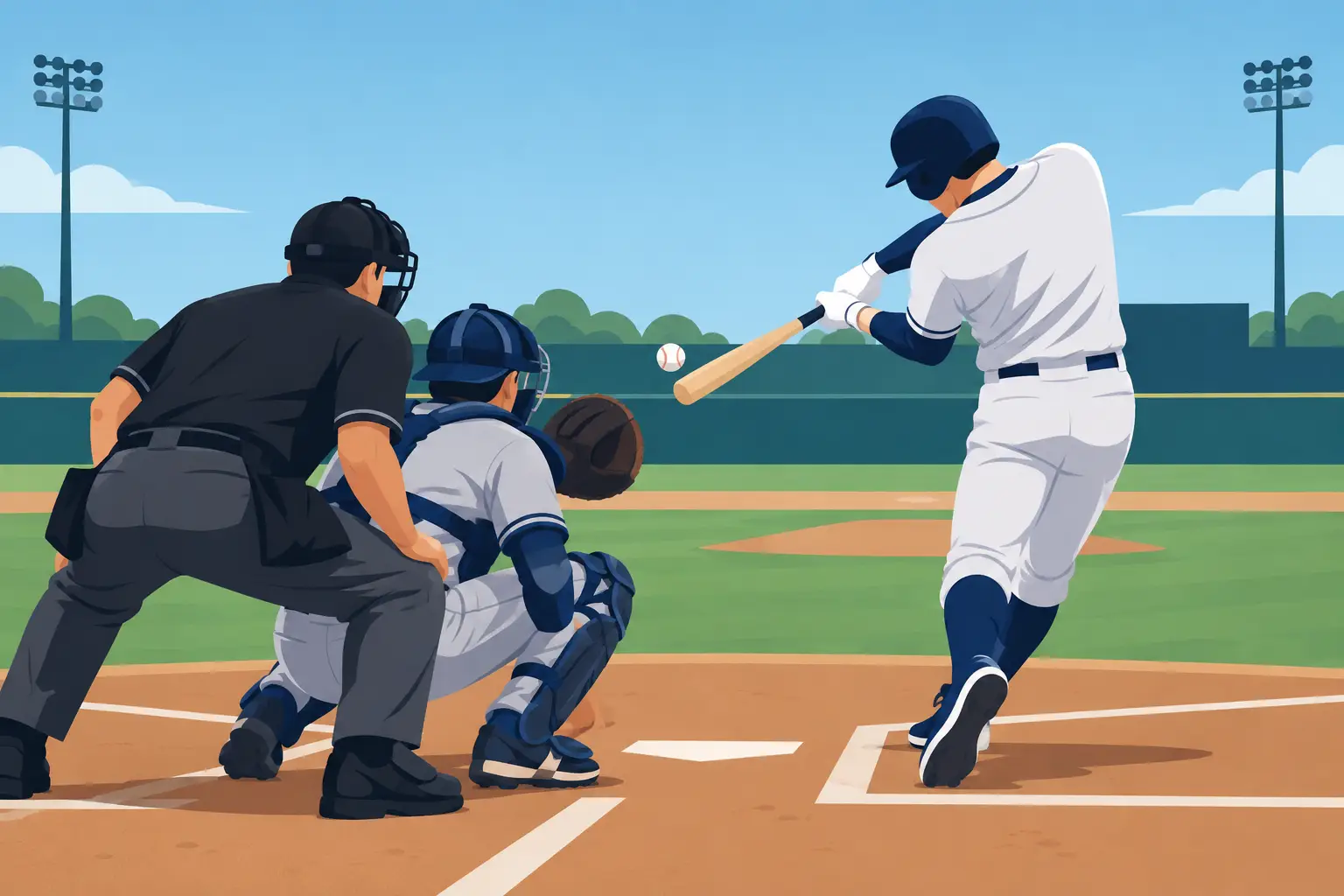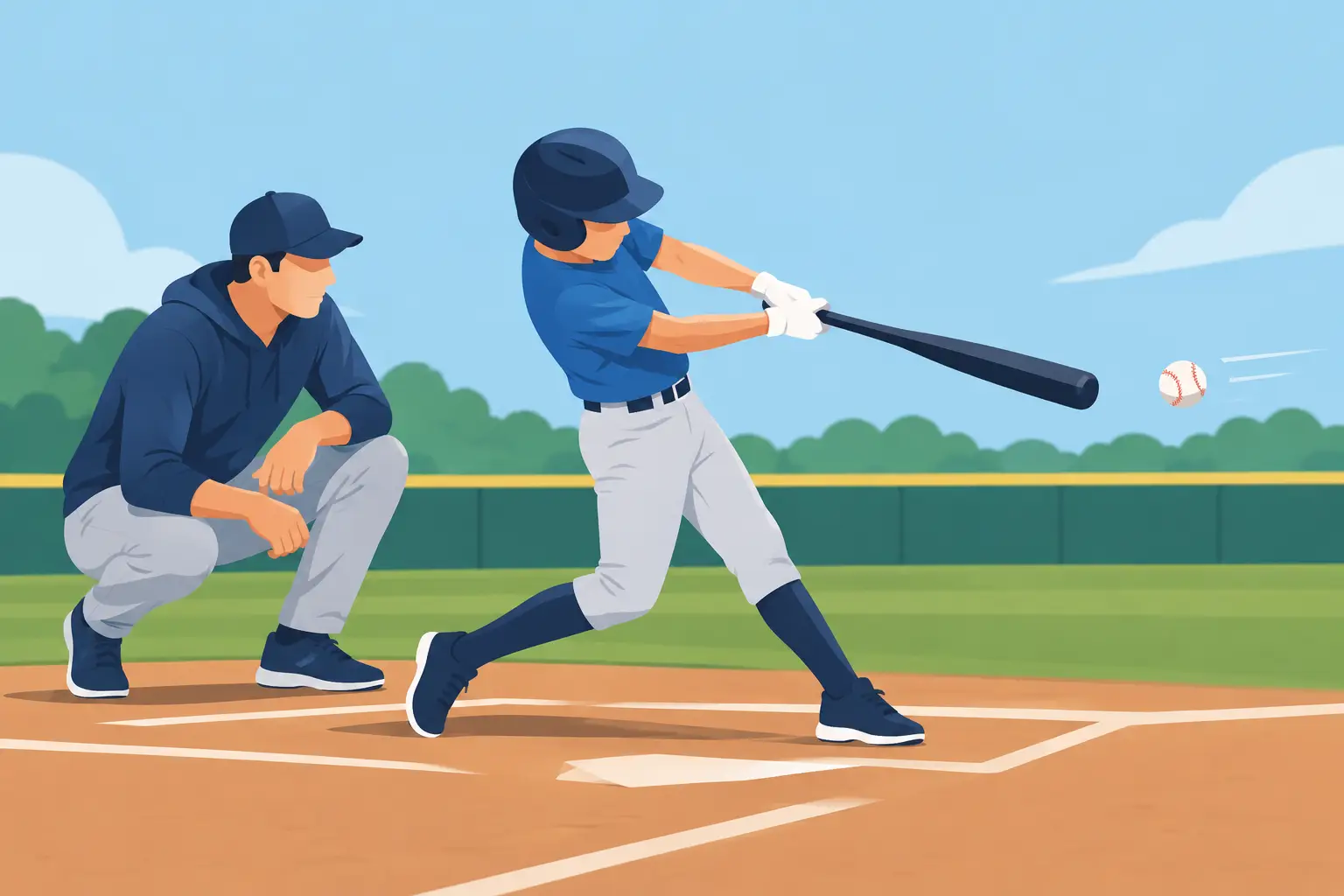
A runner takes off on a pitch, the catcher throws to second, and the ball skips into center field. Then the umpire calls, “Time!” Everything that happens after that call may look exciting, but it may not count. That is the practical meaning of a dead ball in baseball: play has stopped under the rules, and the ball cannot be legally played until it becomes live again.
Understanding this one term clears up a surprising number of arguments. Parents often wonder why a runner was sent back. Players may assume they can keep advancing. Coaches may see an opportunity and then hear the umpire kill the play. The answer usually starts with one question: When did the ball become dead?
What a Dead Ball Means in Baseball
A dead ball is a ball that is not in play. While the ball is dead, runners generally cannot advance by running, fielders cannot make a legal play on a runner, and a batted or thrown ball cannot create a new result. The umpire will either signal and call “Time,” or the rules make the ball dead automatically because of what occurred.
The key word is generally. A dead ball does not erase an award that the rules require. If a batter is hit by a pitch, for example, the ball is dead, but the batter is awarded first base. If interference requires runners to be placed, they receive the bases the rule provides. In other words, dead ball stops live action, but it does not cancel penalties, awards, or required runner placement.
This is why it helps to separate two ideas: what happens while the ball is live, and what the rules award once the ball becomes dead. A runner who keeps running after a dead-ball call is not earning additional bases simply by reaching them.
Common Dead-Ball Situations
Some dead-ball situations happen so often that every player and coach should recognize them immediately. Others are less common but can decide a close game.
A foul ball that is not caught
When a batted ball becomes foul and is not legally caught, it is dead. The batter returns to bat with the appropriate strike count, and runners return to the bases they occupied at the time of the pitch, subject to a few rule-specific exceptions. They cannot keep advancing because an outfielder casually picks up the ball or because the defense makes a late throw.
A foul ball can still create an out if a fielder catches it legally before it touches the ground. In that case, the ball remains live after the catch. Runners must know the difference. A caught foul ball is not a dead ball just because it was hit in foul territory.
A batter hit by a pitch
When a pitched ball touches a batter or the batter’s clothing, the ball is normally dead immediately. The batter may be awarded first base if the rule requirements are met. The runners do not get to advance simply because the pitch rolled away after contact.
There are details that matter. A batter who swings and is hit by the pitch is usually charged with a strike, not awarded first base. A pitch that hits the bat is not a hit-by-pitch. These distinctions are exactly why watching the umpire’s signal and hearing the call matters more than guessing from the result.
Time granted by the umpire
Players cannot call their own time and decide that play is over. A batter might step out, a catcher might stand up, or a runner might stop because something feels wrong. Until the umpire grants time, the ball may still be live.
Once time is granted, the ball is dead. This can happen after a play, when a player is injured, when equipment creates a safety issue, or when the umpire needs to address something on the field. Smart players continue to play until they clearly hear or see the dead-ball call.
Interference and certain illegal actions
Interference often creates an immediate dead ball. For example, if an umpire determines that offensive interference has occurred, play may be stopped and penalties enforced. Catcher’s interference is another familiar example. The batter is typically awarded first base, while runners are placed according to the applicable rule.
Not every violation works this way. Some calls use a delayed dead ball, which means the umpire lets the play continue before enforcing a penalty. Obstruction is a common situation where this distinction becomes important. The umpire may point and verbalize the violation, but the ball can remain live while the play develops.
That difference changes everything. On an immediate dead ball, runners stop because the action is over. On a delayed dead ball, they must keep playing because the action is still live.
A ball that becomes lodged or leaves play
A ball that gets stuck in a fence, under padding, in an umpire’s equipment, or in another location where it cannot be played normally may become dead. A thrown ball that goes into a dead-ball area, such as a dugout or beyond the field boundary, also requires the umpire to stop play and award bases under the applicable rule.
The exact award depends on the type of throw, where runners were when the throw was made, and the rule code being used. This is not a situation to solve with a quick opinion from the stands. The details matter.
Dead Ball vs. Delayed Dead Ball
This is one of the most useful distinctions in baseball rules.
With an immediate dead ball, play stops at once. The umpire’s call ends the opportunity for runners to advance or the defense to make a play. Examples often include a foul ball not caught, a batter hit by a pitch, or time granted by the umpire.
With a delayed dead ball, the umpire recognizes an infraction but allows the action to continue. After the play ends, the umpire applies the penalty if needed. A balk, obstruction, or certain catcher’s interference situations can involve delayed enforcement depending on the rule code and the play.
For players, the practical lesson is simple: do not stop because you think you saw a violation. Stop only when the umpire kills the play. For coaches, teach your team to listen for the call, watch the umpire, and run hard until play is clearly over.
What Runners Can and Cannot Do
When the ball is dead, runners do not gain bases through continued action. If a runner takes an extra base after the umpire calls time, that extra base does not count unless the rules specifically award it.
The umpire may send runners back, leave them where the rule places them, or award them one or more bases. That placement is based on the reason the ball became dead, not on where each runner happened to be standing when the umpire made the signal.
This is especially important on youth fields. A ball can get past a catcher, a runner can round third, and everyone may be watching the runner instead of the umpire. If the ball was already dead because the batter was hit by the pitch or time had been granted, the runner’s movement is not live action.
When Does the Ball Become Live Again?
A dead ball does not become live merely because a fielder picks it up or a pitcher steps near the rubber. The umpire must put the ball back in play according to the rules of that level of baseball.
Usually, the pitcher will have the ball and be on the pitcher’s plate, the catcher and batter will be ready, and the umpire will signal or call “Play.” Until then, the defense should not try to make surprise plays, and runners should not assume they can advance.
The routine can look different in youth, high school, college, and professional baseball. Local league rules can also affect how quickly an umpire puts the ball back in play. The foundation remains the same: the umpire controls whether the ball is dead or live.
Why Rule Code Matters
Baseball uses more than one rule code. Professional baseball, NCAA baseball, NFHS high school baseball, and many youth organizations can handle specific dead-ball plays differently. The basic definition is consistent, but runner awards, enforcement options, and whether a violation is immediate or delayed can change.
That is why “I saw it called differently last weekend” is not always proof that an umpire missed the rule. The game may have been played under a different code, or the facts of the play may have been different in one important way.
The best approach is to learn the rule set your league uses, then study real play situations instead of trying to memorize isolated phrases. Baseball Rules in Black and White is built for that kind of practical learning: clear explanations that help you understand what the umpire is seeing before the next close call arrives.
A dead-ball call may stop the action, but it should not stop your understanding. Watch the signal, listen for the call, and remember that the rule determines the result, not the scramble that happens after play has ended.