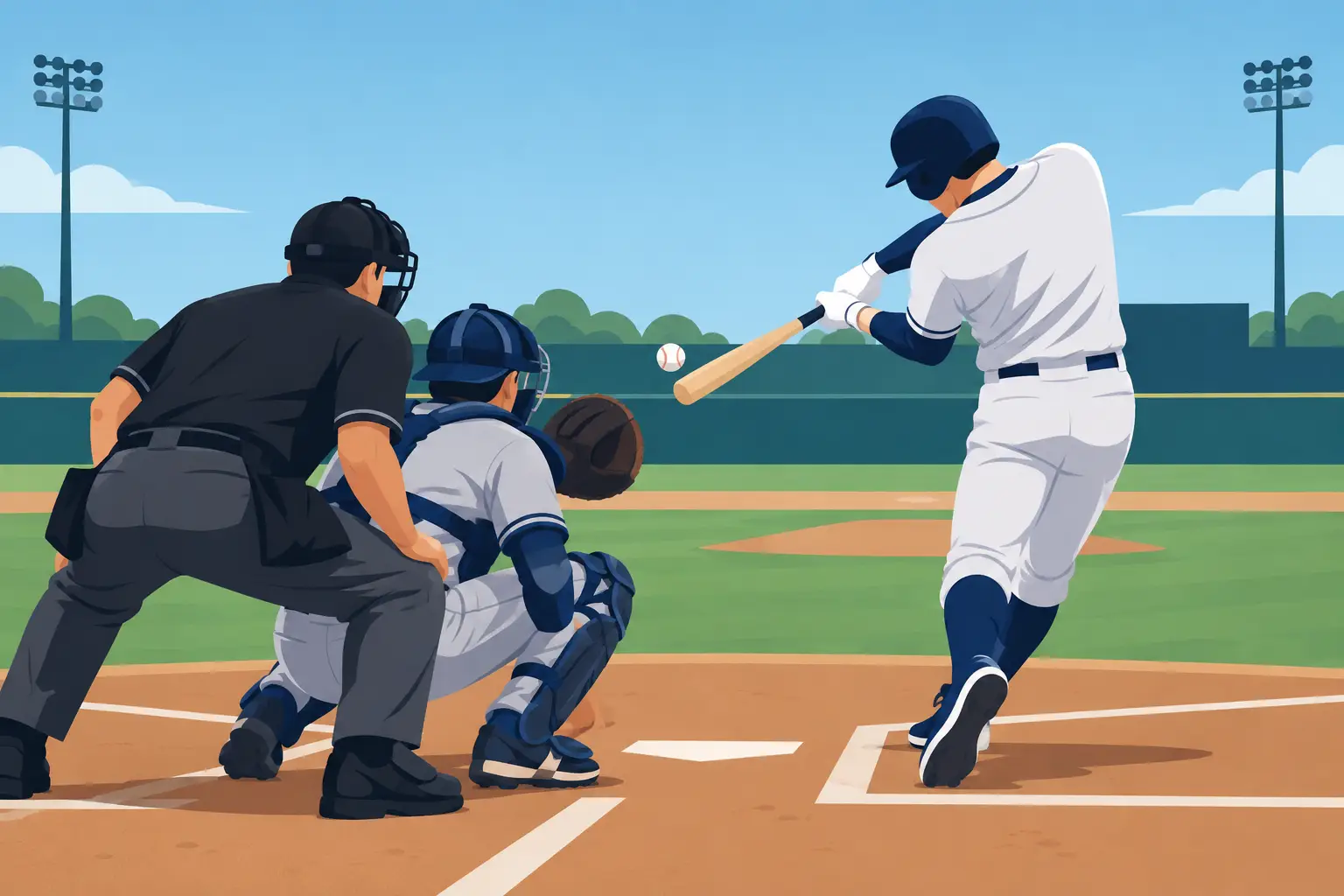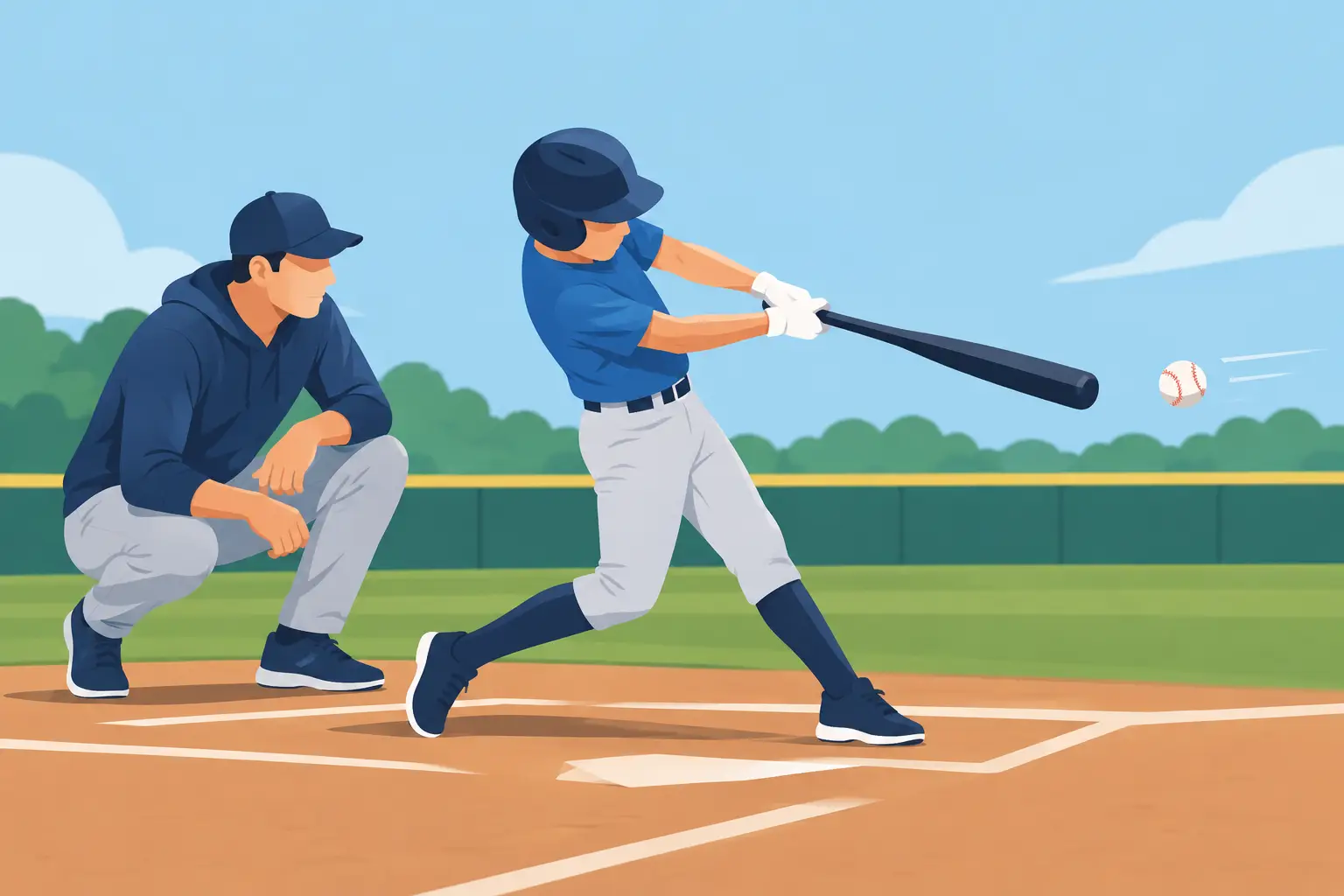
A runner slides into second as the throw arrives, the ball skips into center field, and everyone on the field seems to have a different answer. Was the runner safe? Did the force come off? Can the defense still appeal? Baseball rules questions usually begin in moments like this – fast, crowded, and difficult to replay in your head.
The good news is that most confusing plays become understandable when you identify a few key facts in the right order. You do not need to memorize an entire rulebook to follow the game more confidently. You need clear terms, a practical method, and enough repetition to recognize what matters.
Why Baseball Rules Questions Get So Complicated
Baseball is a game of conditional rules. A runner’s obligation can change when a batter becomes a runner, when a ball is caught, or when another runner is put out. A fielder may legally block a base in one situation but create obstruction in another. The result often turns on a detail that happened before the play everyone noticed.
That is why a rulebook can feel frustrating. It may accurately state the rule, but it does not always teach you how to sort through a live play. The better starting point is not, “What was the call?” It is, “What facts determine the call?”
For any disputed play, begin with the game situation: the number of outs, which bases are occupied, the count only when it matters, and whether the ball was batted, thrown, or caught. Then identify the action: Did a runner interfere? Did a fielder obstruct? Was there a tag, a force, or an appeal? This approach turns a confusing argument into a sequence you can evaluate.
The Baseball Rules Questions That Matter Most
Is it a force play or a tag play?
This is one of the most useful distinctions in baseball. A force exists when a runner must advance because the batter has become a runner and is entitled to first base. With a runner on first and a ground ball, the runner from first is forced toward second. The defense can retire that runner by touching second base while holding the ball before the runner arrives. No tag is necessary.
But forces can disappear. If the batter-runner is retired before reaching first, runners who were forced to advance may no longer be forced. The defense then usually needs to tag the runner, unless another force remains. This is why a runner can be standing off a base after a teammate is retired and still not be automatically out.
A simple question helps: Is this runner required to advance right now? If yes, think force. If no, think tag or appeal.
When does a runner have to tag up?
A runner must retouch the base occupied at the time of a catch before advancing after a fly ball is legally caught. The runner may leave after the fielder first touches the ball, not after the fielder fully secures it. That detail matters on a difficult diving catch or a ball briefly juggled by an outfielder.
If the runner leaves early, the runner is not automatically out. The defense must properly appeal the early departure. That can happen by tagging the runner or, when the ball is live, touching the base the runner left too soon. The timing, the base, and whether the defense makes a valid appeal all matter.
Is a foul ball always dead?
A batted foul ball that is not caught is dead, and runners return to the bases they occupied at the time of the pitch. But a foul fly ball can be caught for an out, and runners may advance after properly tagging up. A tipped pitch caught by the catcher is also not simply a foul ball. A foul tip is a live ball and a strike, provided it goes sharply and directly from the bat to the catcher’s hand or glove and is legally caught.
Those differences explain why runners sometimes freeze on a foul pop-up and sometimes keep moving on a ball that appears to have gone foul. The type of contact and whether the ball was caught change the rule.
What is the difference between interference and obstruction?
These terms are frequently mixed up because both involve someone getting in someone else’s way. In baseball rules, they point in different directions.
Interference generally involves an offensive player, coach, or other person on offense illegally hindering a defensive player who is trying to make a play. For example, a runner who intentionally disrupts a fielder attempting to field a batted ball may be called for interference. The ball is commonly dead, although the specific penalty depends on the play.
Obstruction involves a defensive player impeding a runner who does not have possession of the ball and is not in the act of fielding it. A fielder cannot simply stand in a runner’s path without the ball. Still, this is not a shortcut for runners. A runner who creates unnecessary contact or leaves a legal basepath can create a different issue altogether.
The practical distinction is straightforward: offense hinders defense, think interference. Defense hinders offense, think obstruction. Then look at the exact play to determine the penalty.
How to Work Through a Close Play
When a call causes confusion, slow the play down mentally. Start with what happened first. On a rundown, for example, ask whether the runner was legally attempting to avoid a tag, whether a fielder had the ball, and whether any obstruction occurred. Do not begin with the collision or the final tag alone.
Next, separate the ball from the runner. Was the ball live or dead? Was it caught? Did it leave the field of play? Was a runner entitled to a base? These details determine what may happen next. A runner being touched by a fielder means little if the fielder does not have the ball, except in situations involving obstruction or other violations.
Finally, identify the rule category before searching for an answer. A play at home may involve a force, a tag, a collision, obstruction, interference, or a missed-base appeal. Calling it simply “a play at the plate” does not narrow the issue enough.
Rule Differences: Why the Right Answer Can Depend
Not every baseball game uses the same rules code. Youth leagues, high school baseball, college baseball, professional baseball, and local adult leagues may handle certain situations differently. Courtesy runners, slide requirements, bat restrictions, pitching rules, and collision rules are common examples.
That does not mean every answer is uncertain. Core concepts such as outs, balls and strikes, force plays, tags, and caught fly balls are broadly consistent. But before declaring a call wrong, confirm the level of play and any league-specific modifications.
This matters especially for parents and coaches. A rule you remember from your own playing days may be different from the rule governing your child’s current league. The most productive question is often, “What rule set are we using?” not, “What did Major League Baseball do last night?”
Build Rule Knowledge Before the Next Dispute
The fastest way to improve is to learn rules by situation rather than trying to study them as isolated paragraphs. Watch a game and choose one theme: force plays, appeals, balks, or fly-ball responsibilities. When a relevant play happens, pause and name the facts before deciding the result.
Video is especially helpful because it allows you to see the sequence more than once. That is valuable for plays involving timing, such as whether a runner left a base before a catch or whether a fielder had possession before making a tag. Baseball Rules in Black and White App 3.0 is built for that kind of practical learning, with concise explanations and instructional video support available when a question comes up before, after, or during a game.
Experienced umpires and coaches can use the same approach at a deeper level. Instead of only asking for the ruling, ask what would change the ruling. If the ball had been caught, would the force remain? If the runner had returned to the base, could the defense still appeal? If the fielder had the ball, would the contact be legal? Those variations build judgment, not just recall.
A Better Way to Ask Baseball Rules Questions
A well-framed question leads to a better answer. Rather than saying, “Was that legal?” describe the details: the number of outs, runners on base, the type of batted ball, where the fielder was, what the runner did, and whether the ball was live. Even one missing fact can change the ruling.
Try this format: “With one out and runners on first and second, the shortstop caught a line drive. The runner from second had started toward third before the catch and did not return. The defense threw to second. Is the runner out on appeal?” Now the important elements are visible, and the rule can be applied without guesswork.
Baseball will always produce plays worth talking about. That is part of what makes the game great. The next time a close call starts a debate in the stands or dugout, focus on the sequence, name the rule category, and let the facts guide the answer.