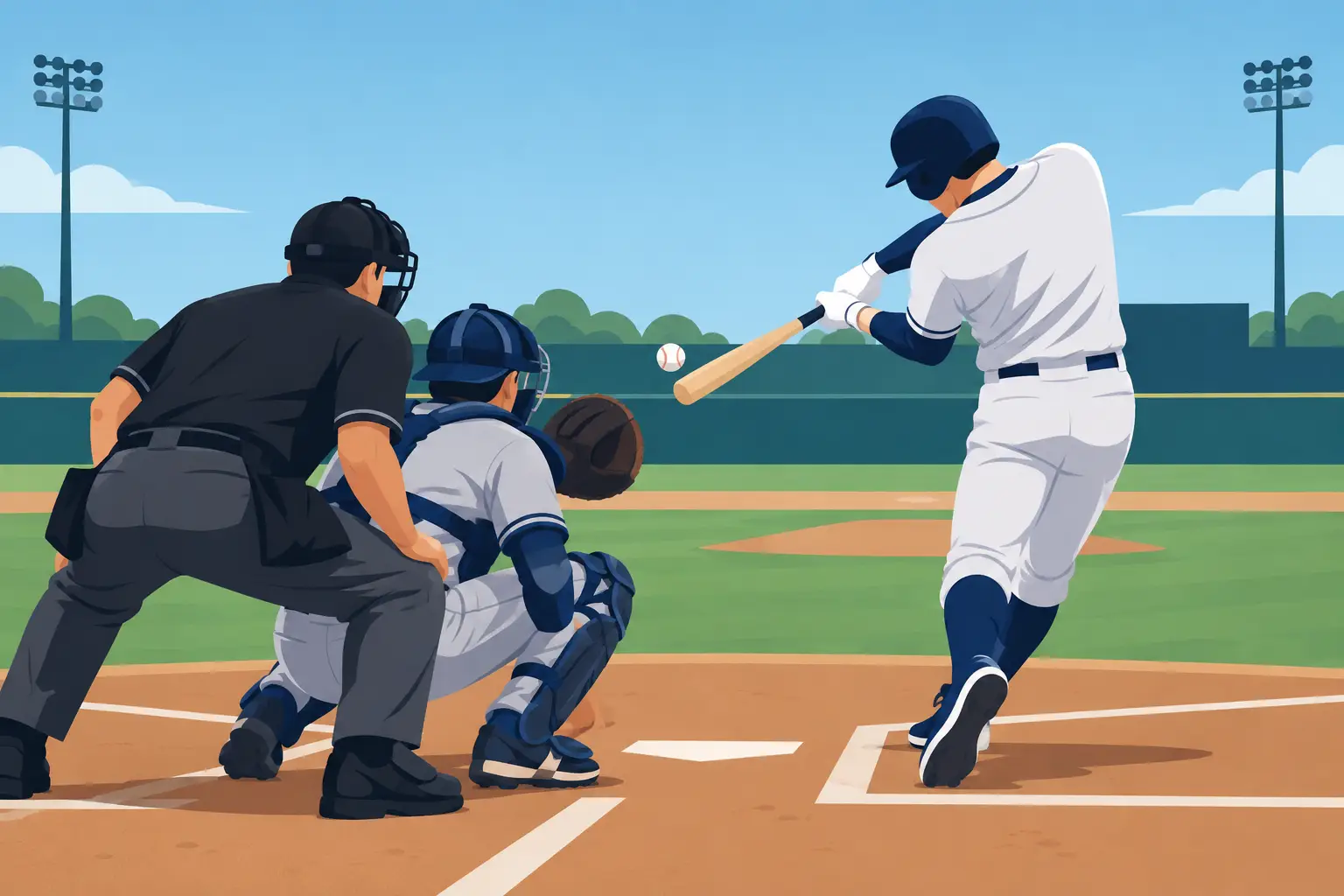
A close play at first can change the temperature of a game in one second. The runner is called out, the dugout sees safe, and suddenly everyone has an opinion. Learning how to handle disputed baseball calls is not about winning an argument. It is about protecting the game, getting the rule right when possible, and keeping players focused on the next pitch.
For coaches, players, parents, and developing umpires, the best response starts before anyone leaves the dugout. Know which decisions are judgment calls, which plays can be appealed, and how to ask a rules question without turning a disagreement into a scene.
Start With the Difference Between Judgment and Rules
Most arguments happen because people use the word “call” for two very different things.
A judgment call is the umpire’s decision about what they saw. Safe or out on a close play, ball or strike, whether a fielder caught a ball before it hit the ground, interference or obstruction when the facts are in dispute – these calls generally belong to the umpire. A coach may ask for help or clarification, but there is no rule-based appeal simply because the coach disagrees.
A rules issue is different. It involves whether the correct rule was applied to an established situation. For example, a runner may have missed a base, left too soon on a caught fly ball, or batted out of order. Those situations may create a proper appeal opportunity, depending on the rule code and timing.
That distinction matters. Telling an umpire, “He was safe,” challenges judgment. Asking, “Is the runner required to retouch after that fly ball was caught?” asks a rules question. The first may be over immediately. The second deserves a calm, accurate answer.
How to Handle Disputed Baseball Calls in the Moment
The first few seconds after a disputed call matter most. Players take their cue from adults and team leaders. When a coach or parent explodes, the bench usually follows. When a coach responds with control, players are more likely to reset and compete.
If you are a coach, approach the umpire only when time is properly called or the ball is dead. Do not walk onto the field during a live ball. Do not send players to argue. A player who continues disputing a call can distract teammates, delay the game, and risk discipline.
Use a short, respectful question. “Can you tell me what you saw?” is productive. “Was the runner’s foot off the bag before the tag?” is specific. “That was terrible” is neither. The purpose of the conversation is information, not a public performance.
Then listen to the answer. An umpire may say, “I had the tag before the foot,” or “The ball came out after the transfer.” You may still disagree, but you now know the basis for the ruling. Repeating the same argument rarely changes the decision and almost never helps your team.
If the umpire says another official may have had a better angle, the crew may confer. Coaches can ask whether help is available, especially on rotations, timing plays, catch/no-catch situations, and tag plays. But the decision to seek help belongs to the umpire crew. Demanding a conference is not the same as requesting one.
Know When an Appeal Is Actually Available
An appeal is a specific baseball procedure. It is not a general way to reopen any close call.
Many appeals involve base-running responsibilities. A defensive team may appeal that a runner missed a base, failed to retouch after a caught fly ball, or crossed bases in the wrong order. In many rule sets, the appeal must be made before the next pitch, play, or attempted play, and before the defensive team leaves the field. Exact procedures can vary by league and rule code.
That last point is worth emphasizing. Youth, high school, college, and professional baseball do not always use identical language or procedures. A coach who knows the basic concept but guesses at the timing can lose the opportunity. Before the season, learn the rule code your league uses and the appeal mechanics that apply to it.
Batting out of order is another situation that causes confusion. The penalty and correction depend heavily on when the appeal is made. Once the wrong batter’s turn has been completed and the next pitch or play occurs, the remedy may change. This is why a coach should avoid relying on a memory from a different league or a game years ago.
A useful habit is to think in terms of facts, timing, and remedy. What happened? When did it happen? What must the defense or offense do next under the rule? That approach is far more effective than arguing from the dugout.
Keep the Conversation Professional
Baseball has room for emotion. It does not have room for personal attacks, threats, or prolonged confrontations. Umpires are human, and so are coaches and players. Everyone will miss something eventually. How a team responds says more about its preparation than the original call does.
Avoid four common mistakes:
- Arguing a judgment call after the umpire has explained it.
- Bringing parents, assistant coaches, or players into the discussion.
- Using replay video from a phone as if it automatically changes the ruling.
- Continuing the argument after a warning or instruction to return to the dugout.
Video can be useful after the game as a teaching tool. It can show a runner why sliding late created a close call or help a fielder understand why a tag was missed. But unless the league has a formal replay policy, phone video does not overturn an umpire’s decision. Treating it as proof during a game often creates more conflict, not more accuracy.
For parents, the most helpful role is simple: support the players, let the coach communicate with officials, and save rule questions for later. Young players should not have to choose between listening to their coach and reacting to the crowd.
What Umpires Can Do to Lower the Heat
Good game management does not mean changing calls to keep people happy. It means communicating clearly enough that everyone understands the ruling.
An umpire who makes a decisive signal, uses a clear voice, and gives a concise explanation when appropriate can prevent a small disagreement from growing. “The tag was applied before the runner reached the base” is usually enough. Long debates invite more debate.
When a coach approaches respectfully with a legitimate question, answer the question that was asked. If the coach is challenging a judgment call, explain the observed action once. If the coach identifies a possible rules issue, take the time needed to apply the correct rule. If another umpire has useful information, confer without ego.
Consistency also matters. A strike zone, a balk standard, and a standard for bench behavior should not change because the game is close or a coach is loud. Players may not like every decision, but they can compete under a standard that is applied fairly.
Prepare Before the Game, Not During the Argument
The best time to learn baseball rules is not in the seventh inning with runners on base. Coaches should review unusual situations before they happen: obstruction versus interference, force plays versus tag plays, infield fly responsibilities, dead-ball awards, appeals, substitutions, and batting-order rules.
A short pregame conversation can also help. Coaches can introduce themselves, confirm any local rules, and ask how the crew wants substitution reporting handled. That does not eliminate disputed calls, but it establishes a professional tone before pressure arrives.
Players benefit from learning the reason behind rules, not just being told what to do. A runner who understands why they must retouch on a caught fly ball is more likely to make the right decision. A catcher who understands interference is less likely to create it. Rule knowledge becomes part of baseball awareness.
Baseball Rules in Black and White is built for those practical moments. Clear explanations and video-supported learning can help coaches, players, parents, and developing umpires sort out real plays without digging through dense rulebook language.
The next disputed call will still feel big. Take a breath, ask the right question, know whether the rule allows an appeal, and let the players get back to playing the game.